Buying property in Costa Rica can feel like the dream move. Ocean air. Mountain views. Coffee on the terrace. Then the practical questions hit fast. Who actually owns this property? Is the title clean? Is this beach house truly ownable, or is it sitting in a restricted coastal zone with rules you did not see coming?
Let’s answer the big one right away. Yes, Americans can buy property in Costa Rica. Foreigners generally have the same ownership rights as citizens for titled property, and you do not need residency to buy. But buying property in Costa Rica does not follow the same rhythm most U.S. buyers are used to. Costa Rica’s National Registry is publicly accessible, coastal land is governed by special rules, and listings are often fragmented because there is no centralized MLS used across the market, the way many Americans expect.
That’s where due diligence comes in. This checklist helps you sort through the important details before money changes hands, paperwork gets signed, or a beautiful view makes it tempting to rush past the hard questions.
Understanding Property Ownership Types in Costa Rica
Before you get deep into how to buy property in Costa Rica, you need to know what kind of property you are actually looking at. This is where a lot of buyers get tripped up.
1. Fee Simple, Also Called Titled Property
This is the cleanest ownership structure for most American buyers. Titled property is recorded in Costa Rica’s National Registry and tied to a registered property number, often referred to as a folio real. If you want to buy land in Costa Rica, build a home, or finance a home in Costa Rica, then titled property is where the conversation should begin. It is the ownership format U.S. buyers understand most easily, and it gives your attorney a proper paper trail to verify.
It is also the type of property Volo Loans focuses on residential financing. Before you get too far into a deal, it helps to understand how our financing process works and what kinds of properties fit inside that lane.
2. Concession Property in the Maritime Zone
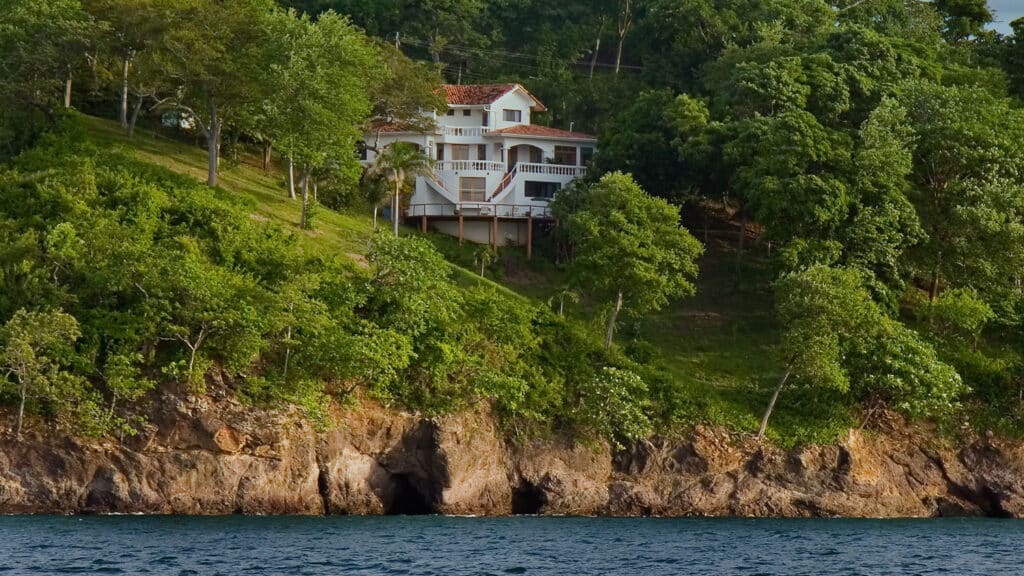
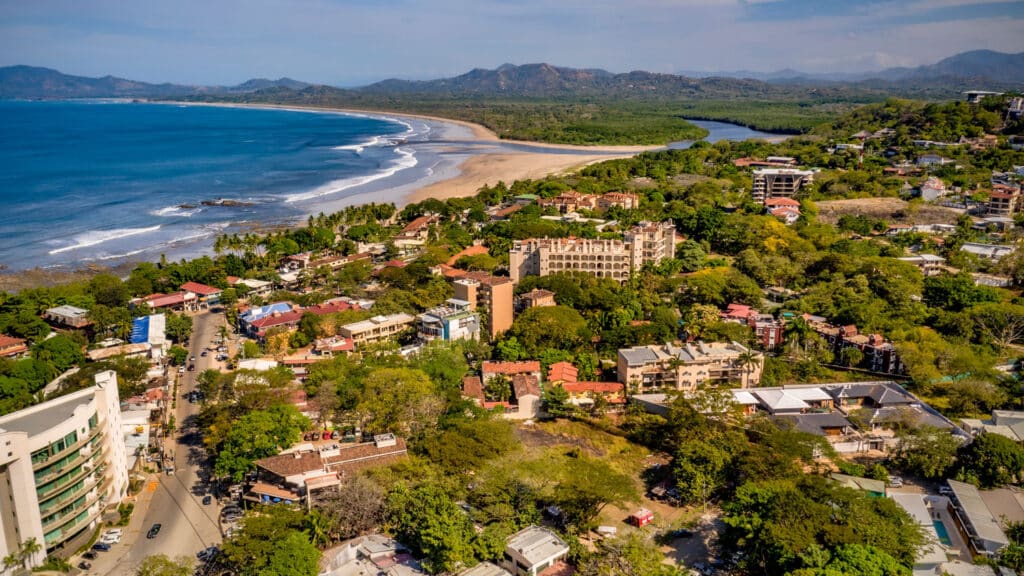
Beachfront dreams need a reality check. Under Costa Rica’s maritime-zone framework, the coastal zone extends 200 meters inland from the ordinary high-tide line. The first 50 meters are public zone. Nobody can privately own that strip. The next 150 meters are the restricted zone, where use rights are typically held through concessions rather than ordinary private title.
This does not mean every coastal property is off limits. It does mean you should never assume a property near the beach works like fee simple ownership in the U.S. If you are looking at beachfront or near-beach property, slow down and have your legal team confirm exactly what is being sold.
3. Untitled Land, Precarious Situations, and Other Gray Areas
If a property does not have a registered folio real and a clean registry trail, that is your cue to treat it as a legal project, not a simple purchase. For Americans buying land in Costa Rica, untitled or irregularly occupied land can bring extra legal work, extra uncertainty, and a much smaller financing lane. In plain English, if the ownership story sounds fuzzy, do not try to figure it out later.
The Title Search Checklist for Buying Property in Costa Rica
This is the heart of the process. If you are wondering how to buy property in Costa Rica without stepping on a legal land mine, start here.
Step 1: Verify the Folio Real and Registered Owner
Look up the property in the National Registry and confirm the registered owner matches the seller. Then review the property record for annotations, mortgages, easements, liens, and any other notes attached to the file.
Step 2: Review the Title History, Not Only the Snapshot
A clean current record is good. A clean ownership history is better. Your attorney should review prior transfers, historical ownership documentation, and any legacy issues that could still affect the property. Strong title examination in Costa Rica goes beyond pulling a single document. It means looking backward, not only at what appears on the surface today.
Step 3: Confirm Municipal Property Taxes Are Current
Property tax in Costa Rica is generally 0.25% of the registered municipal value, and unpaid balances can become a buyer problem if they are not caught before closing. A proper due diligence review should include a municipal certification showing the property is current on taxes and local obligations. This is one of those boring steps that saves people real money.
Step 4: Check HOA or Condo Dues if the Property Is in a Community
If the home sits in a condo, gated development, or managed community, ask for written confirmation that all dues are paid. Do not rely on a verbal “we’re all caught up.” Get the paper. Owning real estate in Costa Rica is a lot more pleasant when you are not discovering someone else’s unpaid balance after closing.
Step 5: Verify Permits, Utilities, and Real-World Access
A registry record tells you what exists legally. It does not always tell you whether the house, addition, well, water connection, driveway, or boundary line matches what you saw on site. If you are buying anything beyond a straightforward condo, ask your attorney what needs separate verification. This matters even more if you are buying land in Costa Rica and trying to confirm exactly what is buildable and properly documented.
Step 6: Hire Your Own Costa Rican Attorney and Notary
In Costa Rica, property title passes through a transfer deed executed before a Notary Public, and that notary must also be a licensed attorney. Your attorney should be yours, not the seller’s, because the person running the due diligence should answer to you and nobody else.
Step 7: Decide Whether Title Insurance Makes Sense for You
Title insurance is not automatically built into Costa Rica real estate the way many U.S. buyers expect. It is generally optional, but many foreign buyers still choose it for added protection against defects, missed liens, or fraud that surfaces later. If you want more clarity on how financing and documentation work together, Volo’s FAQ page is a useful next stop.
Costa Rica Title Checklist at a Glance
Before you move forward, make sure you’ve checked these essentials:
Verify the folio real in the National Registry
Review title history and prior transfers
Confirm municipal tax compliance
Clear HOA or condo balances, if applicable
Check utilities, permits, and legal access
Hire your own Costa Rican attorney and notary
Consider title insurance
Special Situations and Red Flags
Some deals need extra scrutiny from day one.
Properties Owned Through a Corporation
In Costa Rica, plenty of real estate is held inside an S.A. or S.R.L. That alone is not a problem. The problem starts when buyers assume buying the shares is basically the same as buying the property. It is not. When you acquire the shares of a corporation, you may also acquire its liabilities, and that is why corporate due diligence matters as much as property due diligence.
Boundary and Survey Issues
Costa Rica’s property system relies on both the legal title registry and the cadastral map. Those are related, but they are not the same thing. The Registro Inmobiliario tracks both ownership and mapping records, which is why a professional survey can help confirm the plano matches what exists on the ground, especially when buying land, hillside property, or anything in a rural area where old maps and real-world boundaries do not always shake hands neatly.
Red Flags Worth Taking Seriously
Walk more carefully if the seller cannot produce a current registry record, if the property is in the maritime zone and the ownership explanation sounds slippery, if unpaid taxes or dues keep surfacing, or if a structure appears to exist physically but has no clear legal or municipal paper trail. These are not “maybe later” issues; they are now issues.
If the property is held in a corporation, request a full corporate registry history, a list of all shareholders, and proof that there are no unresolved corporate tax or legal issues before you move forward.
Closing Costs and Taxes to Budget For
This is the part people forget when they are mentally decorating the patio.
Volo’s own Costa Rica financing guide notes common purchase costs that go beyond the sale price, including notary fees, transfer taxes and stamps, plus possible escrow, survey, inspection, appraisal, and lender-related costs. The same guide also notes the annual property tax at 0.25% of the registered value. A smart rule of thumb is to budget at least 3% to 4% of the purchase price for closing-related costs before optional items and lender-specific charges.
That number can move around depending on the property type, the legal complexity, and whether you need extra diligence on surveys, corporations, or coastal issues. Still, the bigger mistake is pretending those costs do not exist and acting surprised later.
How Financing Property in Costa Rica Works for American Buyers
This is where the title conversation and the money conversation meet.
A lot of Americans looking into financing property in Costa Rica assume they will need to navigate an unfamiliar local system, open new banking relationships, and work through a process that feels very far from a U.S. mortgage experience. That is exactly why U.S.-based lending matters here.
Volo Loans offers Costa Rica home loans built around the U.S. borrower. Buyers are evaluated using U.S. credit and income; no Costa Rican credit history is required. Financing can go up to 75% LTV for eligible properties, and loan options include 30-year fixed-rate mortgages as well as adjustable-rate structures. Volo’s home loan solutions are funded and serviced in the U.S., follow U.S.-style underwriting standards, and can close in as little as 30 days.
That does not mean every property is a fit. It does mean the right property, with a clean title and the right documentation, can move through a far more familiar financing lane than many buyers realize. If you are ready to move past research mode, you can start your application or talk with a loan expert.
FAQ: Quick Answers to Common Questions
Can Americans Buy Property in Costa Rica?
Yes. Americans can legally buy titled property in Costa Rica and generally enjoy the same ownership rights as Costa Rican citizens for that kind of property. Coastal concession property is the big exception area, and it plays by different rules.
Can Foreigners Buy Property in Costa Rica?
Yes. Foreigners can buy property in Costa Rica, and the practical key is understanding whether the asset is titled property or concession property. That distinction changes everything.
Does Buying Property in Costa Rica Give You Residency?
Property ownership alone does not automatically grant residency. Some investment-based residency pathways may apply under Costa Rican law, but buyers should speak with a qualified immigration attorney before treating a real estate purchase as an immigration strategy.
Is It Safe to Buy Property in Costa Rica?
It can be, if you treat due diligence as part of the purchase and not as optional cleanup. Title verification, boundary review, tax checks, corporate review when needed, and independent legal counsel are what turn a beautiful listing into a safer transaction.
How Long Does a Costa Rica Property Purchase Take?
It depends on the property, the legal complexity, and whether financing is involved. With a Costa Rica home loan from Volo Loans, some financed purchases can close in as little as 30 days. Other transactions often land in the 30 to 60 day range when diligence is clean. Corporate ownership, survey issues, or coastal restrictions can add time.

Start Your Costa Rica Home Buying Journey With Confidence
Buying property in Costa Rica is absolutely doable for Americans. In many cases, it is exciting, practical, and genuinely rewarding. But the buyers who feel best after closing are usually the ones who did the unglamorous work first. They checked the folio real. They asked awkward questions. They hired their own attorney. They verified the boundaries instead of trusting the brochure.
This process rewards buyers who prepare well. Take care of the groundwork first, then move forward with confidence.
Ready to move from research mode to real numbers? Explore Volo Loans home loan solutions, read our full guide to financing property in Costa Rica, or reach out to our team to get pre-qualified today!